
CornsTalk
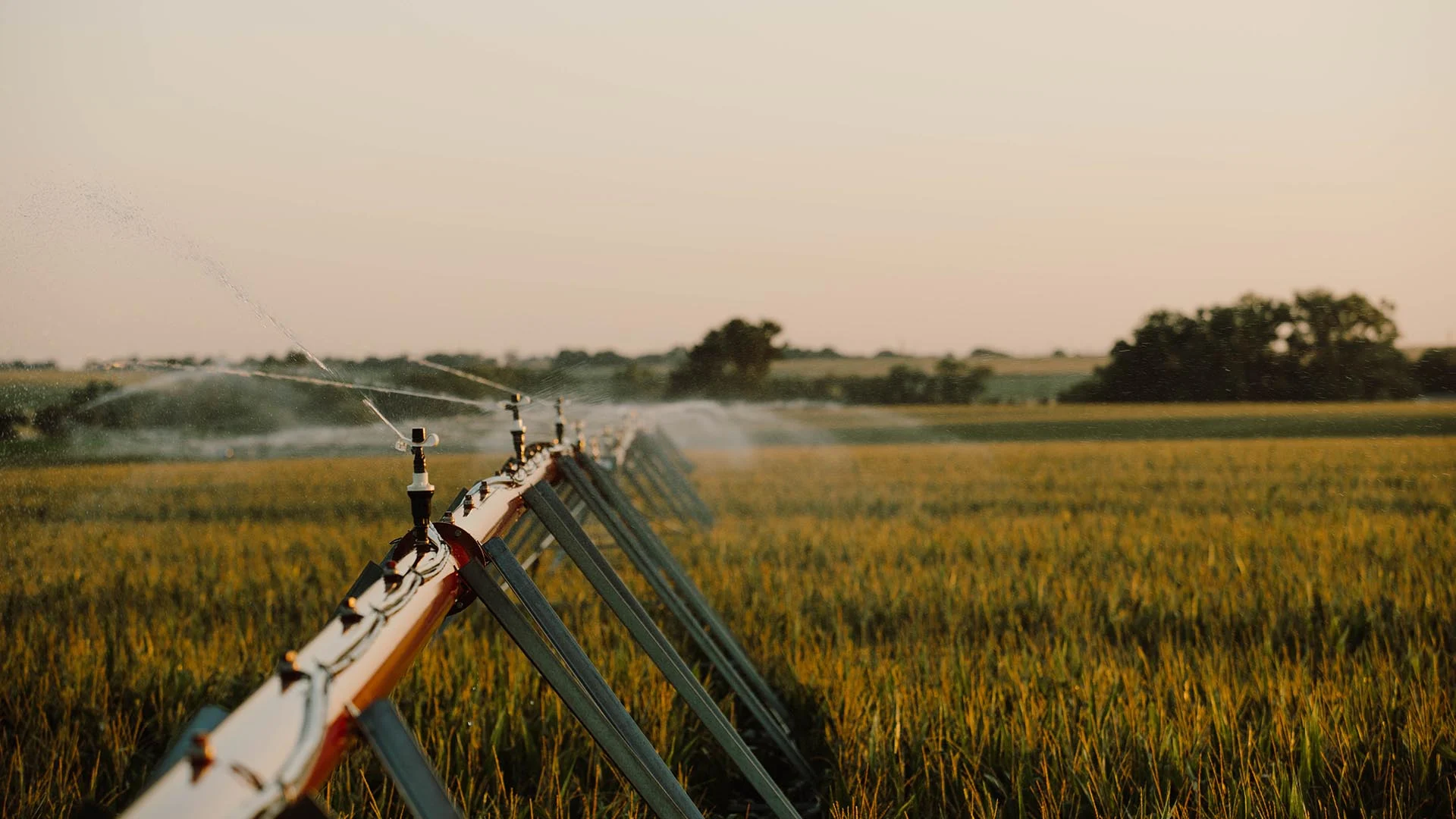
Corn and Water: a Nebraska Farmer Answers the Most Common Irrigation Questions
As hot August days finally start to cool, the countdown to field corn harvest begins on Nebraska’s family farms. Peak water use is over and kernels are filling, but farmers are still watching moisture levels as the crop moves toward maturity. Corn irrigation involves careful monitoring and scientific testing, ensuring farmers provide plants with [...]
-
As hot August days finally start to cool, the countdown to field corn harvest begins on Nebraska’s family farms. Peak water use is over and kernels are filling, but farmers are still watching moisture levels as the [...]
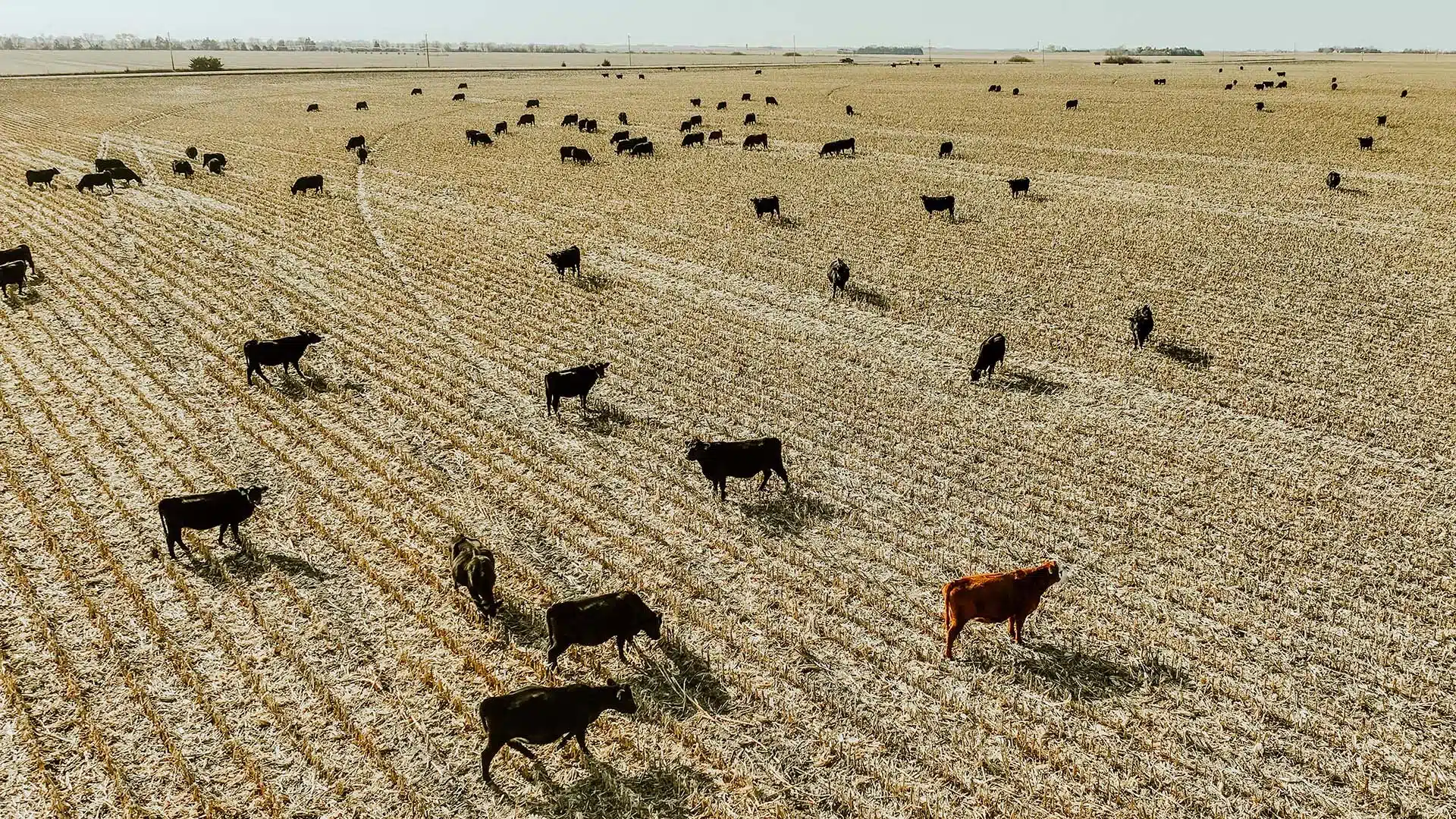
Cattle and Corn: How Nebraska's Nutrient Cycle Works Each year, freshly harvested Nebraska corn goes on a journey. A significant portion goes to nearby cattle farms, where it continues the nutrient cycle and fuels [...]
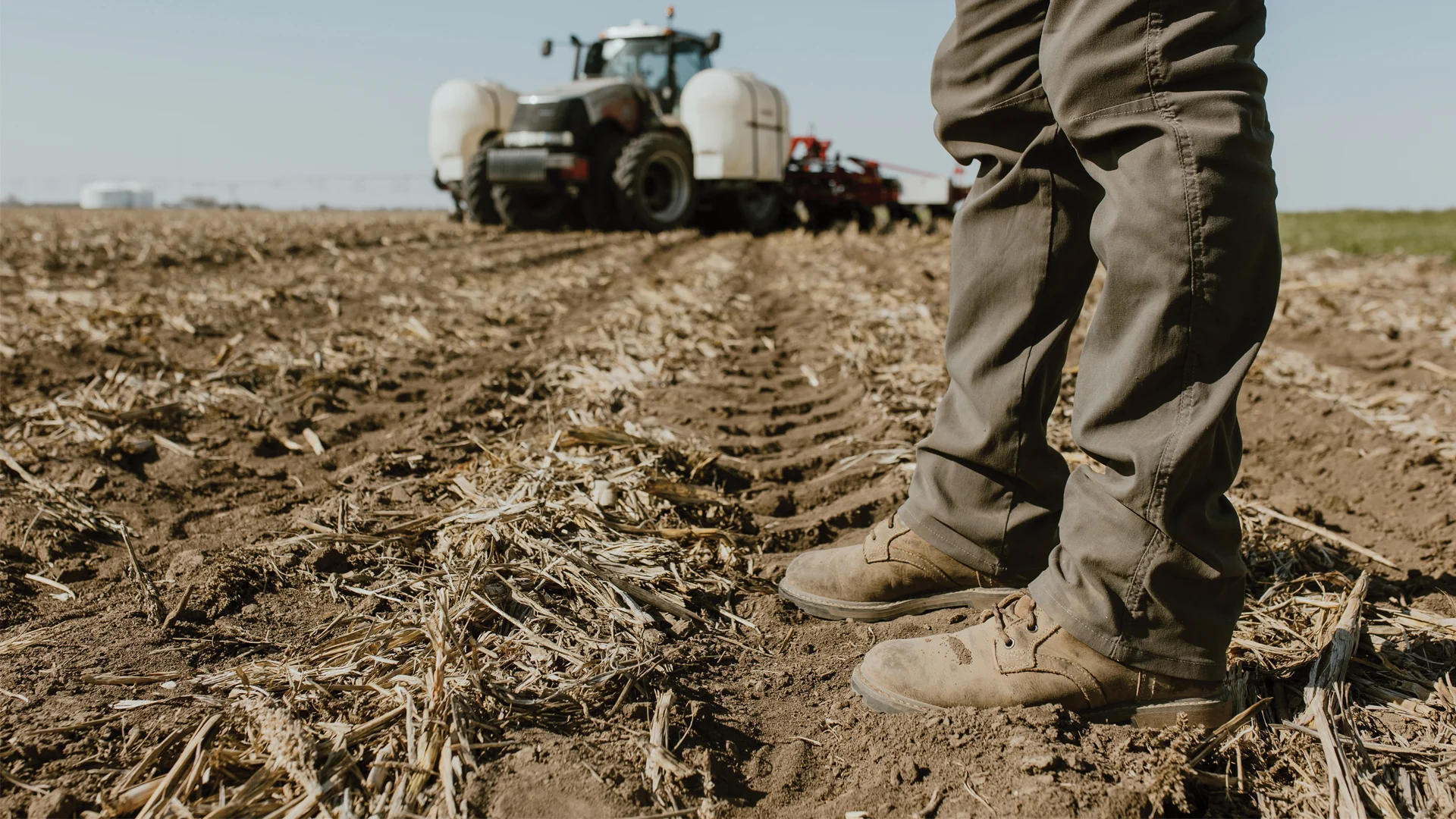
When it comes to farming, trying something new can be a tough decision. A new irrigation strategy, lower nitrogen rate or different grain marketing plan could improve profitability, but it also comes with uncertainty. [...]
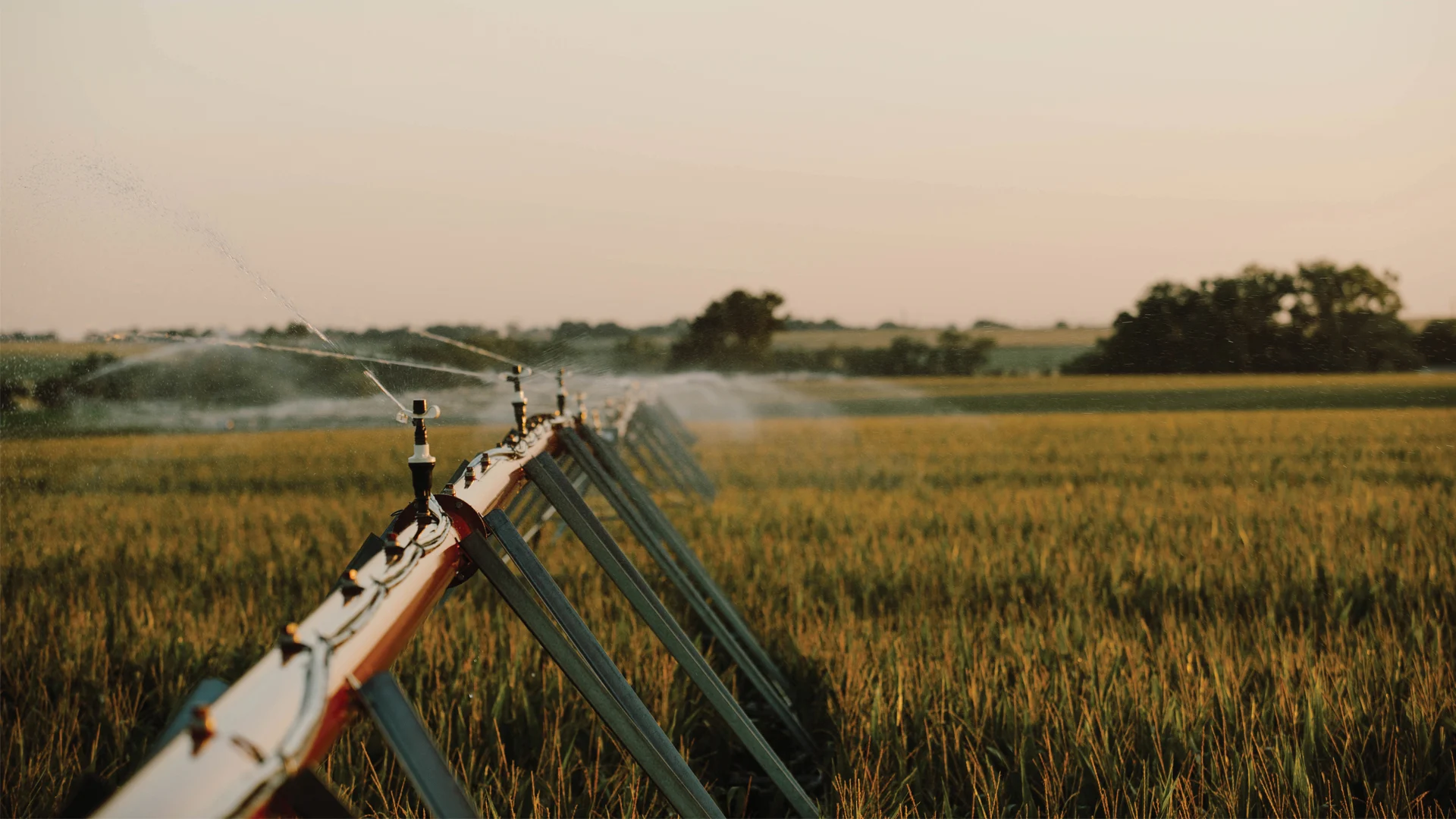
Every season, Nebraska farmers make hundreds of decisions that affect their yields, their profitability and the long-term health of their land. They decide when to irrigate, how much nitrogen to apply, whether to plant [...]
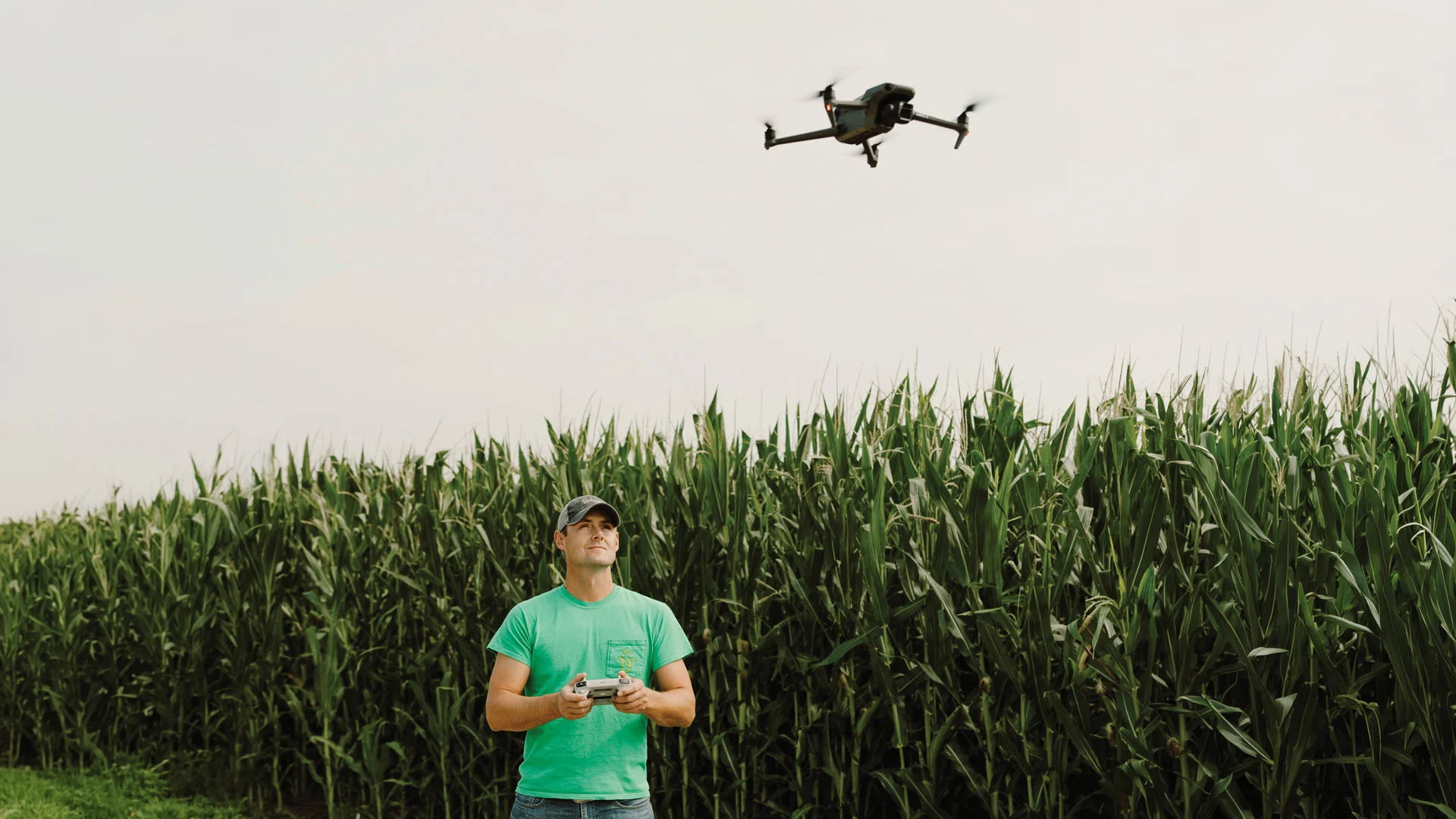
Nebraska farmers can carefully manage many factors that influence crop production, including seed placement, nutrient application and weed control. One critical variable, however, remains beyond their control: rainfall. For fifth-generation farmer Andy Jobman, irrigation is [...]
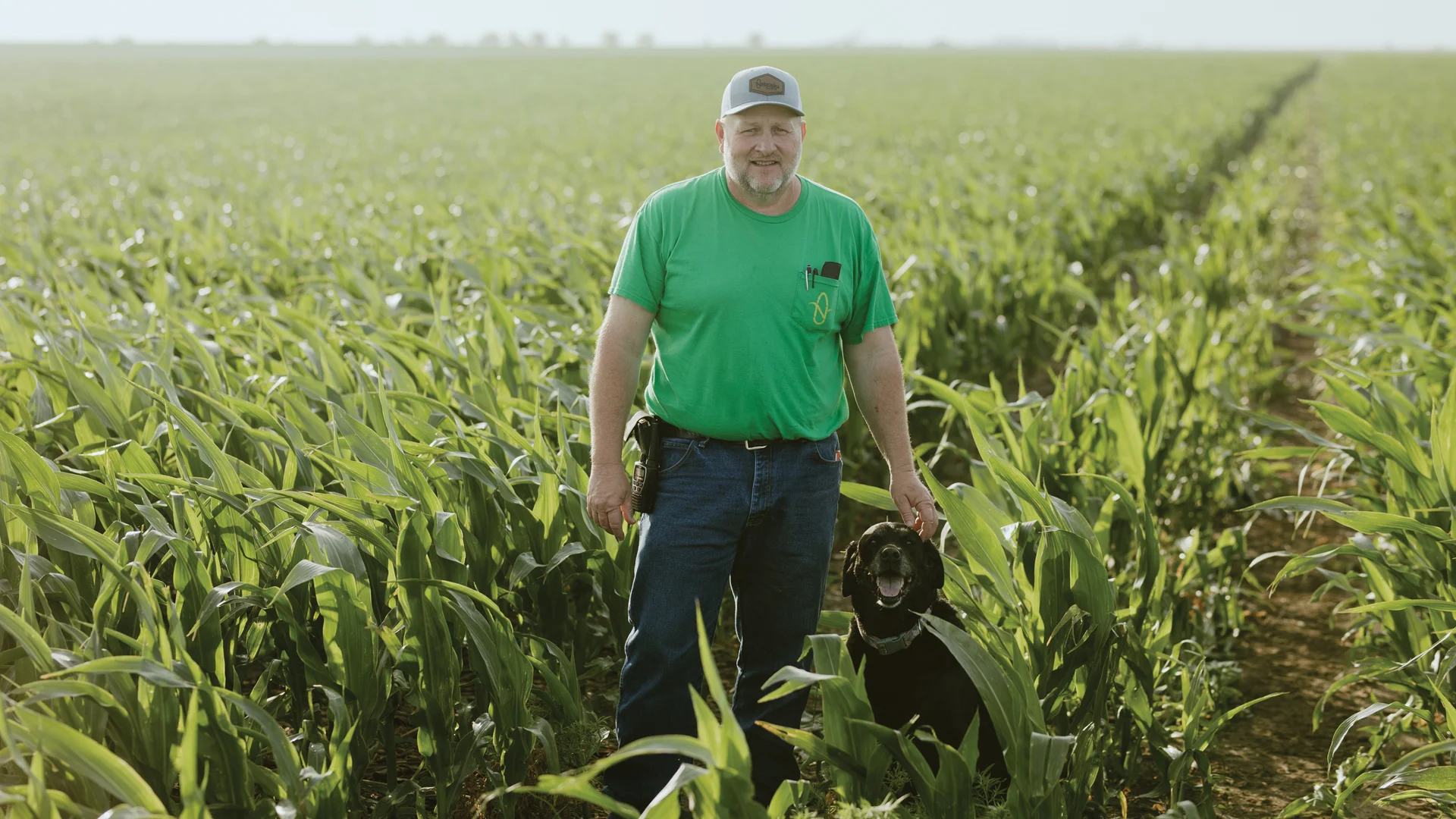
For farmer Matt Sullivan, coming back to Nebraska to work his family’s land was never just a career move. It was a dream he and his wife spent decades working toward. After growing up [...]
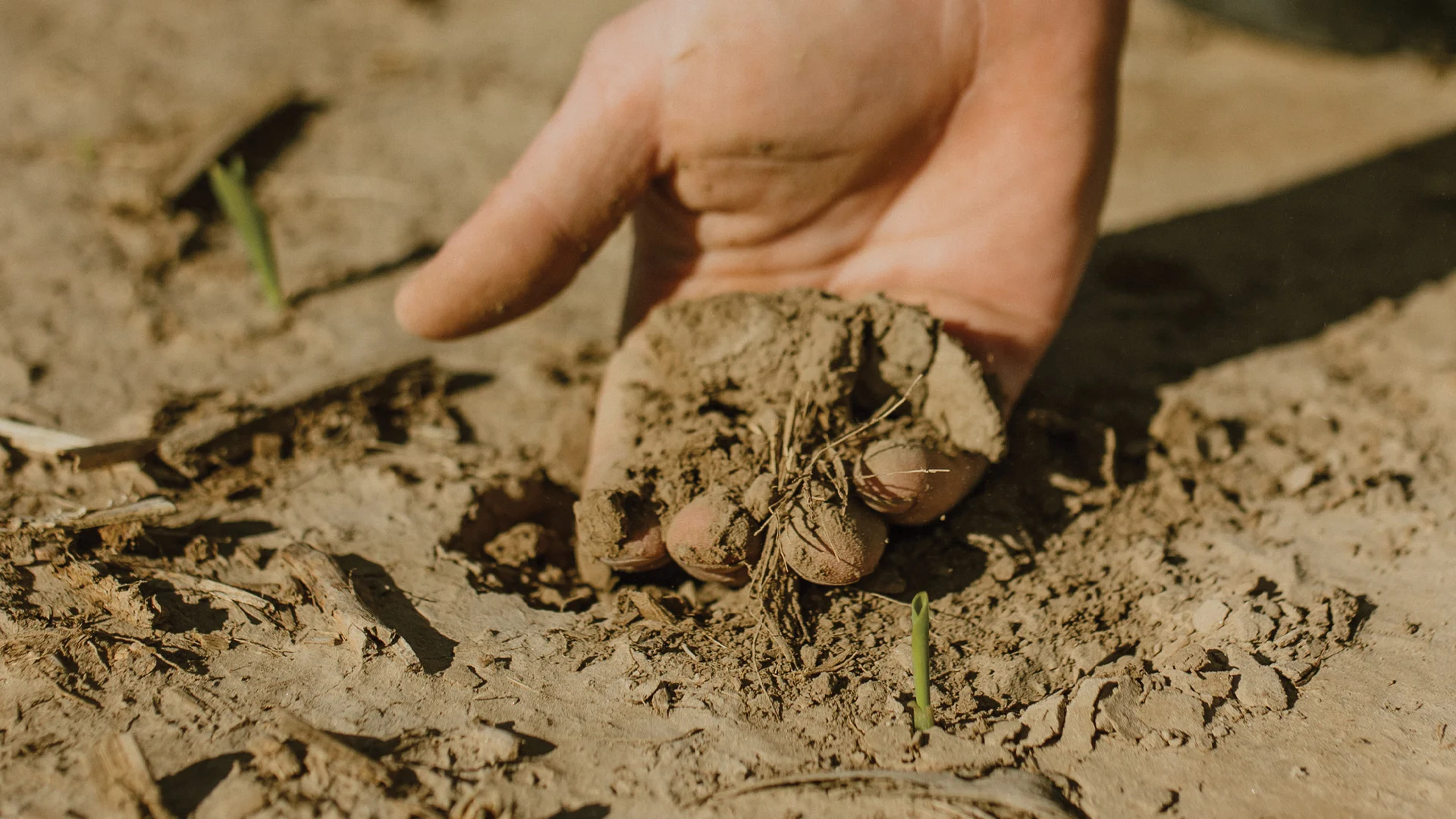
As weather patterns become more unpredictable and water resources face increasing pressure, researchers are working to develop corn hybrids that can produce strong yields while using water more efficiently. At the University of Nebraska–Lincoln, plant [...]
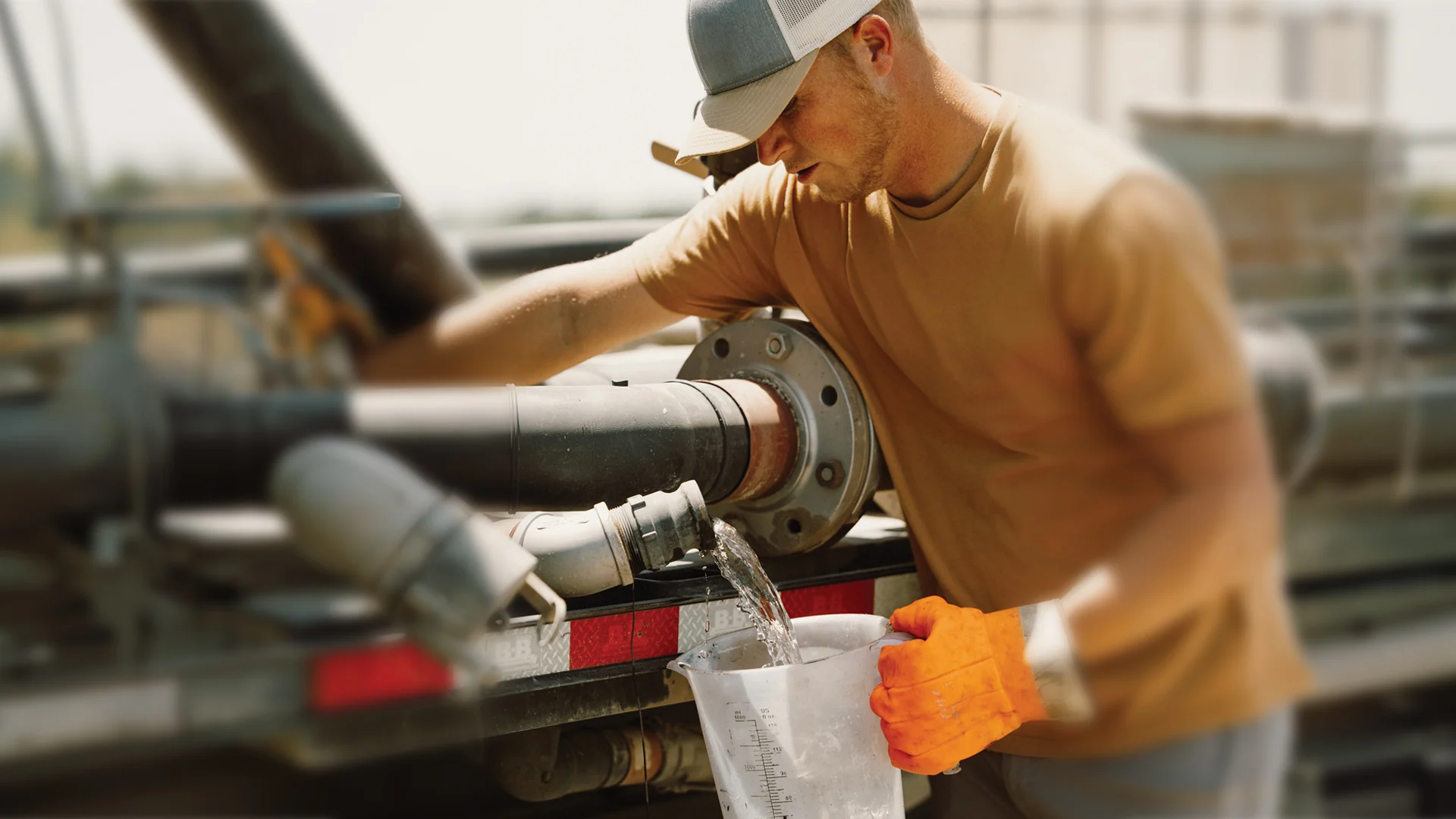
Water doesn’t recognize city limits or county lines. Across Nebraska, rural and urban communities rely on the same connected water system, which means protecting it is a shared responsibility. That’s where Nebraska’s Natural Resources Districts [...]
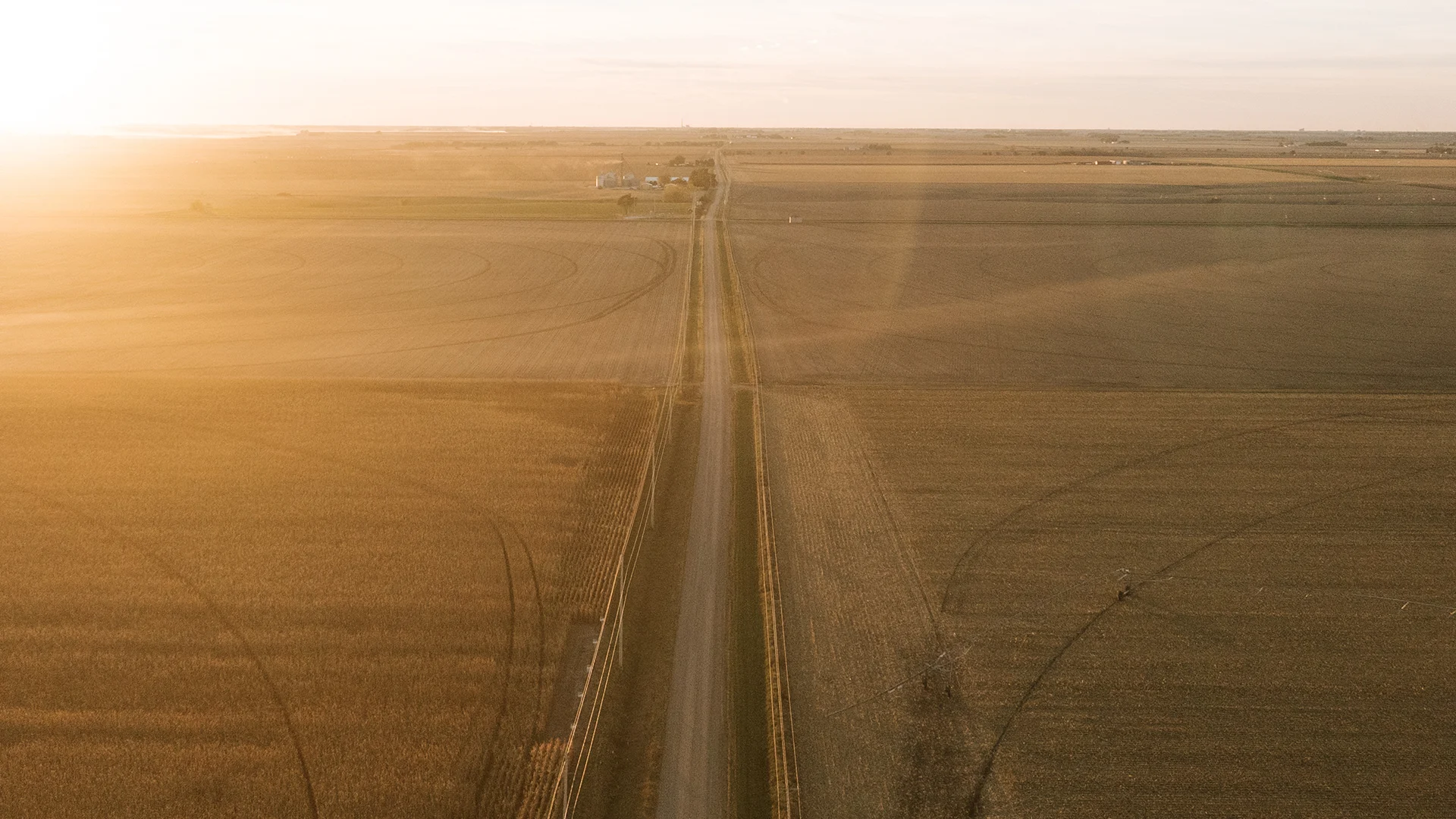
Nebraska’s corn fields do more than produce food and feed ingredients. They also help power vehicles across the country. As one of the nation’s top corn-producing states, Nebraska plays a leading role in corn-based [...]
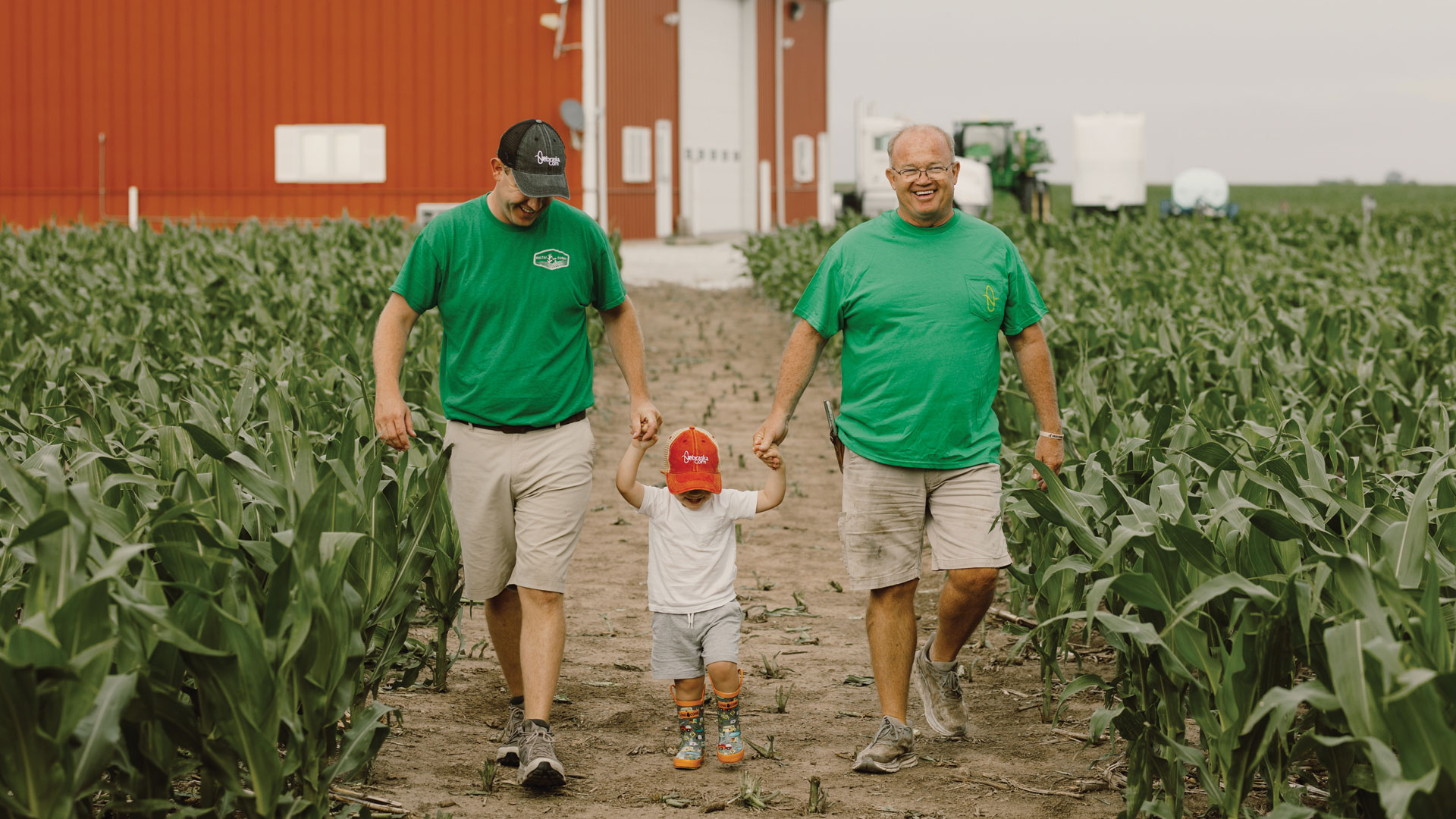
Across much of central Nebraska, farmland adjoins towns, communal waterways and residential areas. Because what happens on the land affects everyone, open communication between producers, neighbors and communities is extremely critical. Nebraska’s Natural Resources [...]
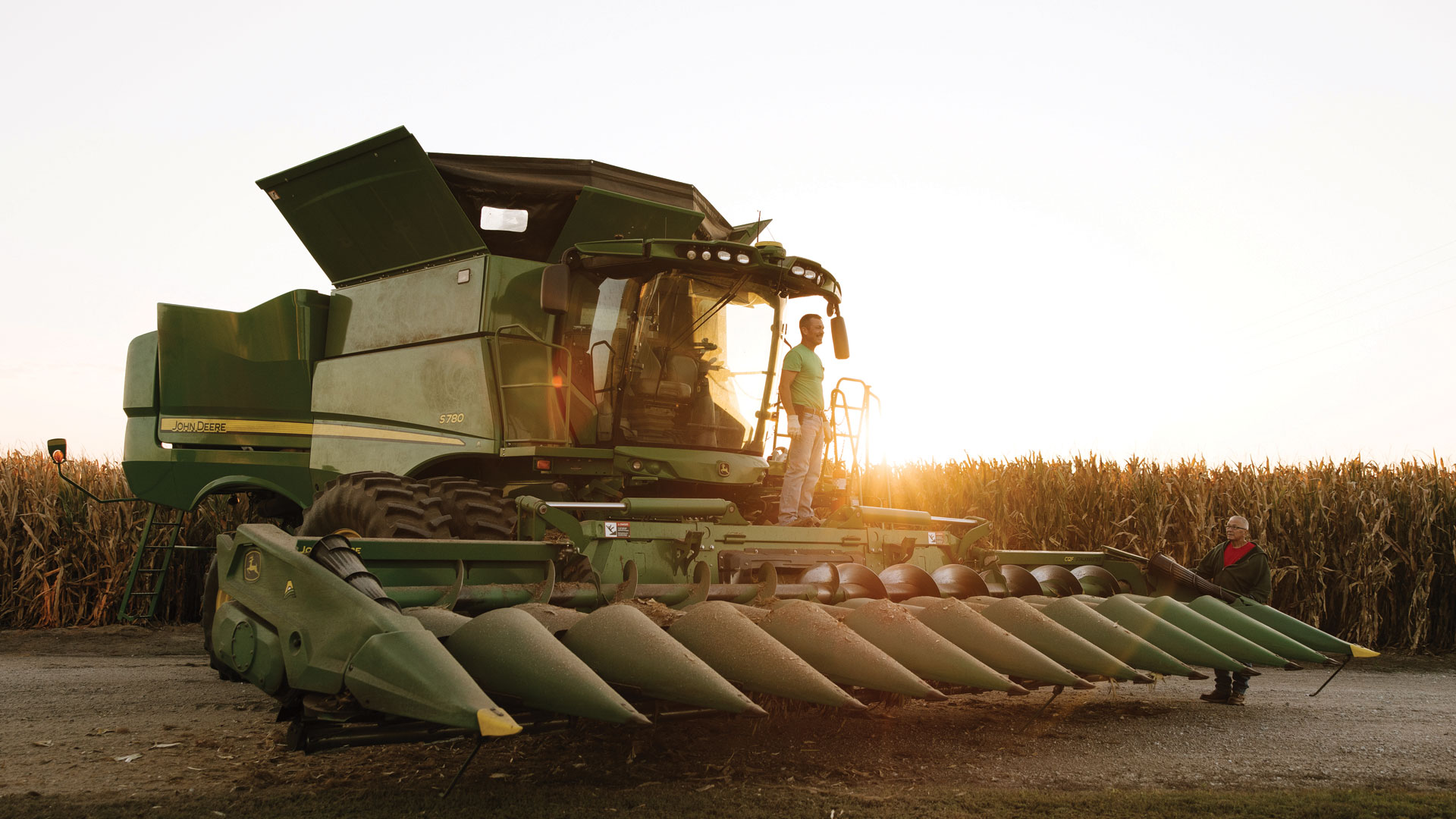
In south-central Nebraska, where Hamilton County’s gravel roads weave between seas of corn, Nate Goertzen carries on a farming legacy with his father and sons on the same land his family has tended to [...]
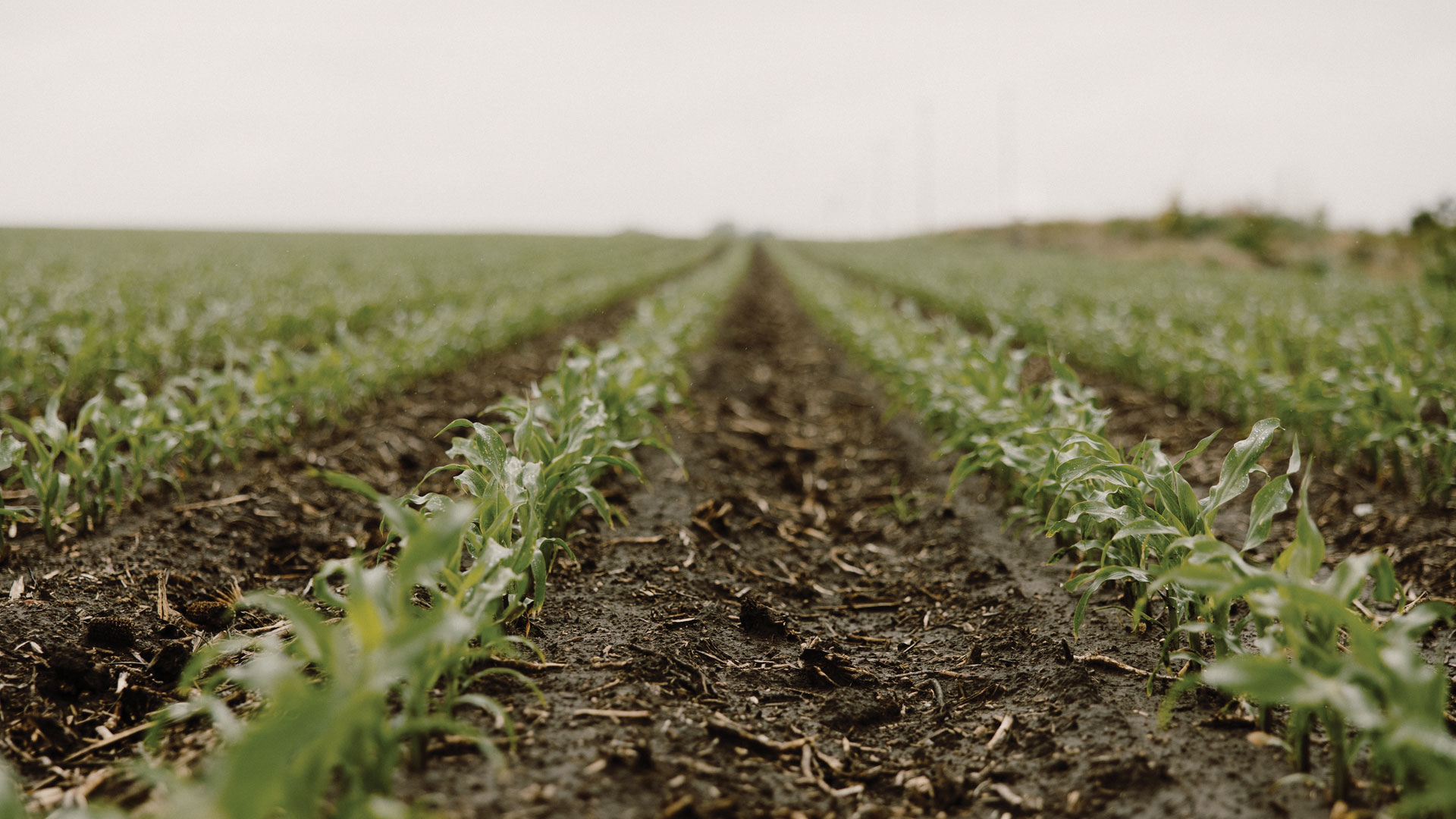
From the Missouri River to the Wyoming border, Nebraska stretches across hundreds of miles of changing soils, climates and growing conditions. To outsiders, it may look like one continuous agricultural landscape. But farmers know [...]